
Vietnam is changing faster than many travelers realize
The old advice is not always wrong. It is just aging quickly. Roads, airports, hotel markets and entire city districts are changing what is practical — and what is worth slowing down for.
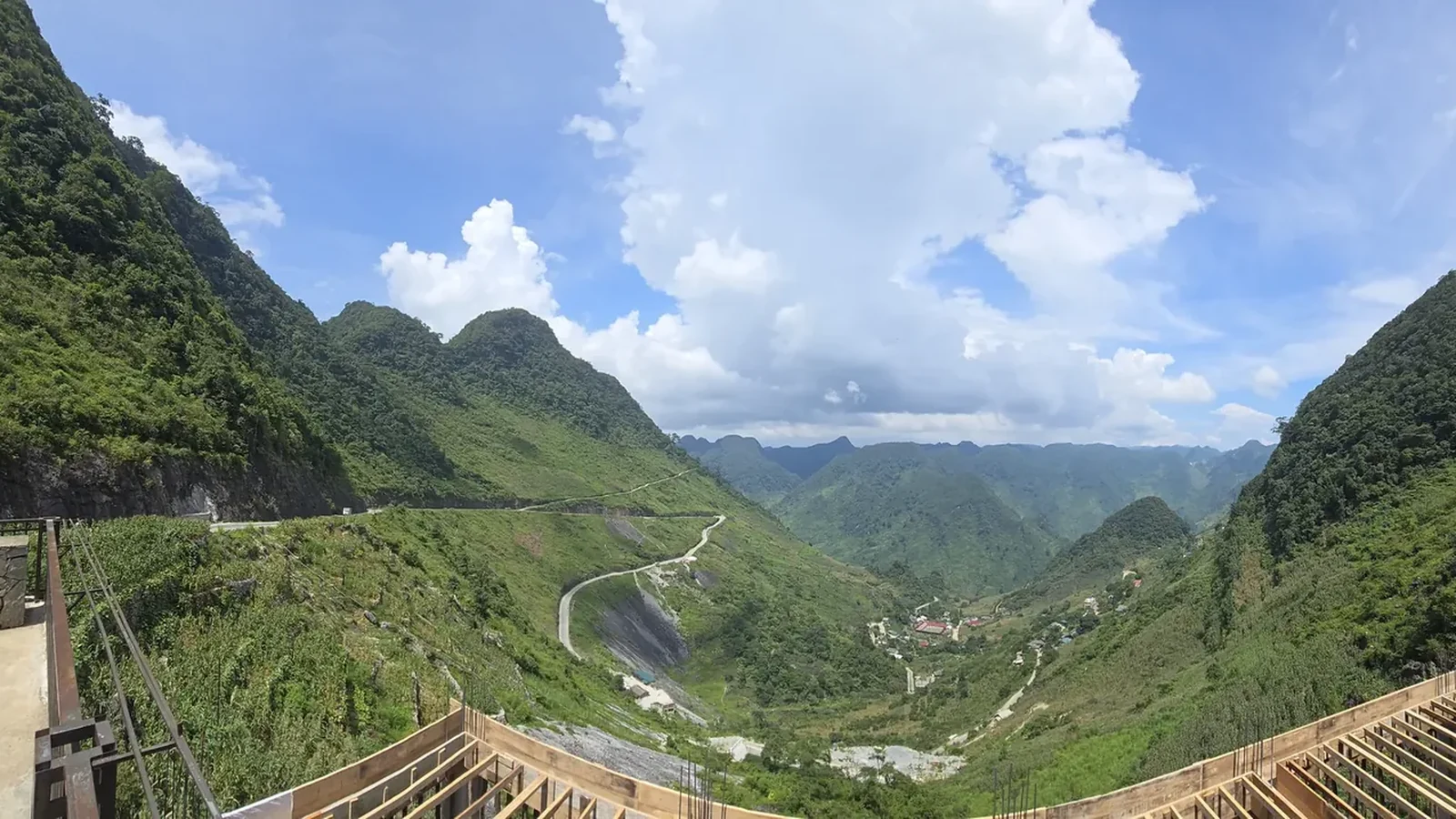
Vietnam is one of those countries where infrastructure changes the travel experience before most guidebooks catch up.
That does not mean every transfer is suddenly easy. It means the decisions are different. A road that used to make a route unattractive may now be sensible. A city that was treated as a pass-through may deserve its own chapter. An airport plan you remember from a previous trip may already be out of date.
The road map is genuinely different
By the end of 2025, Vietnam had roughly 3,345 kilometers of main expressway routes completed, with around two thousand kilometers added over the 2021–2025 period. That is a big enough change to affect how travelers move between regions, not just a statistic for transport planners.
The useful question is still not “can we drive it?” It is “what does that drive do to the day?” Better highways can make a route viable, but a technically faster transfer can still be a poor use of vacation time if it lands you tired at the next stop.
Old rules of thumb about road times deserve checking. I would compare the actual transfer against a flight, rail option or one fewer stop rather than automatically repeating the route that worked five years ago.
The airport story is moving too
Tan Son Nhat's Terminal 3 entered service in 2025, while Long Thanh International Airport is being accelerated toward commercial operations in the fourth quarter of 2026. Southern Vietnam's aviation map is in the middle of a major change.
For a traveler, that means airport name, terminal, transfer time and the location of the first or last hotel matter more than ever. “Fly to Saigon” is no longer enough planning detail on its own.
Central Vietnam is not standing still
Da Nang's tourism growth is a useful signal. The city reported more than 17.3 million guests at accommodation establishments in 2025, up 15% year on year, with international guests up 25%. It is increasingly useful as more than the airport beside Hoi An: it can be a beach stay, a food stop, an urban base and the hinge between heritage sites along the central coast.
At the same time, Vietnam now has nine UNESCO World Heritage properties, including two inscriptions or extensions added in 2025. The country is not simply modernizing around its heritage; it is adding new reasons to look beyond the standard first-trip loop.
Faster infrastructure should not create a faster vacation
This is the part I care about most. New roads and airports tempt people to add more. I usually read them as a chance to make the existing route work better.
If a new expressway saves two hours, I would rather use some of that gain for lunch, a slower arrival or a better hotel location than immediately spend it on another destination. Efficiency is useful. It is not the same thing as quality.
What I would watch for before booking
- Real transfer times: use current road and terminal information, not inherited itinerary timings.
- Airport assignment: check which airport and terminal your actual flight uses, especially in southern Vietnam.
- Regional seasonality: north, central and south do not share one weather pattern.
- Hotel location: a better road into a city does not solve a badly placed hotel once you arrive.
- Stop count: use infrastructure improvements to improve the trip, not automatically make it busier.
Vietnam rewards an up-to-date route
The country is changing quickly enough that route judgment is part of the experience now, not just logistics behind it.