
Why I'd visit Siem Reap right now
The airport is new, visitor numbers are unusually light, and Siem Reap is still one of the easiest places in Southeast Asia to combine serious history with a relaxed few days. That combination will not last forever.
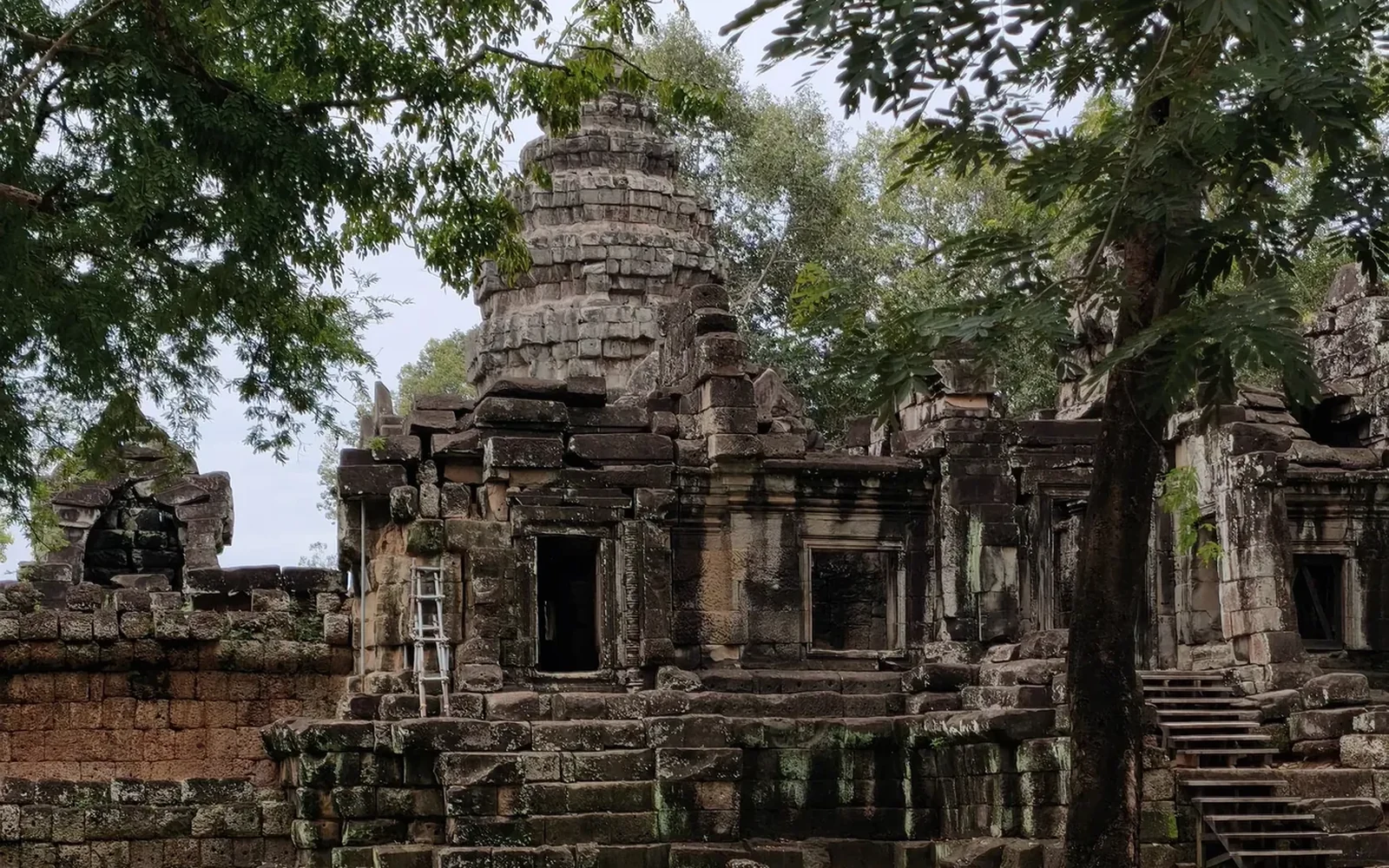
I was back in Siem Reap in August, and the thing that stood out was not a new attraction. It was the amount of room.
Places that can feel intensely busy in a normal high season were simply easier to experience. That matters at Angkor. A temple complex this large becomes much more interesting when you can stop, listen to a good guide, look at the stonework and move at something closer to your own pace.
The quieter temples are real
Angkor Archaeological Park recorded 955,131 foreign visitors in 2025, down 6.7% from 2024. The softness continued into 2026: reporting based on Siem Reap provincial tourism data showed total international and domestic visitor numbers in the first four months of 2026 were 37.5% lower than the same period a year earlier.
That is difficult for the people who depend on tourism. For the traveler, though, it creates a rare window: one of Asia's great heritage destinations with noticeably less pressure around it. My preference would be to use that advantage well — stay a little longer, use local guides, eat locally and let some of the spend land with the people who make the place work.
You do not need to treat Angkor like a race. A quieter site makes a slower temple day, a specialist guide and a countryside afternoon more valuable than squeezing in another monument because it appears on a list.
The new airport is better infrastructure, not a shorter arrival
Siem Reap Angkor International Airport opened in October 2023 with capacity for around seven million passengers a year. It is a much bigger piece of infrastructure than the old airport and is designed for the region's long-term growth.
But it also sits much farther from central Siem Reap. That is exactly the kind of detail I would build around rather than discover after landing. Arrival day should account for the road transfer; I would not stack a temple visit or an ambitious dinner plan immediately behind it.
I would give Siem Reap more than the temples
The mistake is thinking Siem Reap is only the support town for Angkor. The city works because you can move between very different versions of Cambodia without spending half the trip in transit: serious archaeology in the morning, rural landscape and local life outside town, then a comfortable hotel and a good meal at night.
I would rather give Siem Reap three nights with one genuinely good temple day, one more selective heritage or countryside day, and enough free time to enjoy the city than force two dawn starts and six major temples into forty-eight hours.
What I would watch for before booking
- Airport transfer: treat the new airport as a real transfer, not an extension of town.
- Temple fatigue: two excellent temple experiences beat an exhausted checklist.
- Guide quality: Angkor becomes dramatically better when the person with you can explain what you are looking at.
- Heat and timing: build the day around when you will actually enjoy being outside.
- Where your money lands: locally owned restaurants, guides and smaller experiences matter especially while visitor numbers are soft.
If you have been waiting for Siem Reap, this is a good window
I would use the lighter crowds to make the trip deeper, not simply faster.